How to Train Your Dog for Kayaking and Canoe Trips (Paddleboarding Prep)
Meta Title: How to Train Your Dog for Kayaking and Canoe Trips
Meta Description: Learn how to train your dog for kayaking, canoe trips, and paddleboarding. Discover water safety, equipment preparation, confidence-building exercises, and practical tips for a safe outdoor adventure.
Taking your dog on a kayaking, canoeing, or paddleboarding adventure can turn an ordinary outdoor trip into an exciting experience for both of you. Dogs often enjoy being outside, exploring new environments, and spending time with their owners, but enjoying the water requires more preparation than simply putting a dog in a kayak and heading out.
A successful paddling trip begins with training on land. Your dog needs to become comfortable around the equipment, understand basic commands, remain calm when the boat moves, and learn how to behave safely near water. Even dogs that love swimming may need specific preparation because swimming and riding in a kayak or canoe are very different experiences.
If you are planning a trip with your dog, preparation should also be part of your wider pet-travel routine. Owners who regularly travel with pets can find useful planning information through moving with cats, especially when an outdoor adventure is part of a larger relocation or travel plan.
This guide explains how to prepare your dog for kayaking, canoe trips, and paddleboarding while focusing on confidence, obedience, equipment familiarity, water safety, and practical training.


Understanding Whether Your Dog Is Ready for a Water Adventure
Before beginning kayak or canoe training, consider your dog’s personality and physical ability. Some dogs naturally enjoy water, while others are nervous around lakes, rivers, beaches, or unfamiliar surfaces. A dog that is comfortable walking beside water may still feel uncertain about stepping into a moving boat.
Age, size, breed, fitness level, and previous experience can all influence how your dog responds. However, breed alone should never determine whether a dog is suitable for a water activity. Individual temperament matters much more.
Your dog should ideally be able to respond reliably to basic commands such as “sit,” “stay,” “come,” and “leave it.” These commands can become particularly important when you are dealing with changing surroundings, other boats, wildlife, waves, or unexpected distractions.
A calm temperament is also valuable. If your dog becomes extremely anxious whenever the ground moves or reacts strongly to unfamiliar surroundings, additional preparation may be necessary before attempting a longer water trip.
The goal is not to force your dog to participate. The goal is to create an environment where your dog can gradually become comfortable with the activity.
Start Training Before You Reach the Water
One of the most common mistakes owners make is beginning training on the day of the adventure. A dog seeing a kayak or canoe for the first time at a busy launch area may already be surrounded by unfamiliar sounds, people, water, and movement.
Instead, introduce the equipment at home.
Place the kayak, canoe, or paddleboard somewhere your dog can see it without being pressured to approach. Let your dog investigate naturally. Sniffing the equipment, walking around it, and observing it from a distance are all normal parts of the introduction process.
You can reward calm behavior with praise or a small treat. Over time, your dog may begin to associate the equipment with positive experiences.
Once your dog is comfortable around the boat, you can practice getting in and out while the boat remains stationary on land. Keep the sessions short and relaxed.
This approach teaches your dog that the kayak or canoe is simply another object rather than something frightening or unpredictable.
Teaching Your Dog to Enter and Exit Safely
Getting into and out of a kayak or canoe is one of the most important skills your dog can learn.
A dog that jumps suddenly into a boat can make it unstable. Depending on the size and design of the craft, sudden movement can increase the risk of tipping or causing both the dog and owner to lose balance.
Start by teaching your dog to wait beside the boat. Use a simple command such as “wait” before allowing the dog to enter.
Practice this on dry land first. Position your dog next to the kayak and ask for a sit or wait. Once the dog remains calm, give a release command and allow it to step inside.
Repeat the same process when leaving the boat. Your dog should learn that it does not jump out simply because it sees the shoreline.
This training becomes especially useful at docks and launch points where sudden movement could be dangerous.
Getting Your Dog Comfortable With Movement
A stationary kayak feels very different from one floating on water.
After your dog is comfortable sitting inside the boat on land, introduce gentle movement. You can carefully rock the craft while keeping it secure and observing your dog’s reaction.
Do not create large movements or deliberately frighten your dog. The purpose is simply to introduce the sensation of shifting balance.
Reward calm behavior.
If your dog becomes nervous, return to an easier stage of training. Progress should be gradual. A dog that becomes overwhelmed may associate the boat with fear, making future training harder.
The same principle applies to paddleboards. Because paddleboards are less stable than many traditional kayaks or canoes, your dog needs to learn that small movements do not automatically mean something is wrong.
Basic Obedience Becomes More Important on the Water
Water activities require reliable communication between you and your dog.
A strong recall command can be extremely valuable if your dog accidentally enters the water or moves toward another area. A solid “stay” can help prevent sudden movement while you are launching or landing.
“Leave it” can also be useful around floating objects, food, fishing equipment, wildlife, and unfamiliar items.
Practice these commands in different environments before taking your dog onto the water. Your dog should gradually learn to listen even when distractions are present.
Do not assume that a command learned perfectly in your living room will automatically work on a busy lake. Training needs to become progressively more challenging.
You can practice in your backyard, at a quiet park, near a walking trail, and eventually near calm water. Each environment introduces different distractions while allowing you to maintain control.
Choosing the Right Dog Life Jacket
A properly fitted canine life jacket is one of the most important pieces of equipment for a water adventure.
Even dogs that are excellent swimmers can become tired, disoriented, or unable to swim effectively in certain conditions. A life jacket provides additional support and can make it easier to assist your dog if it enters the water unexpectedly.
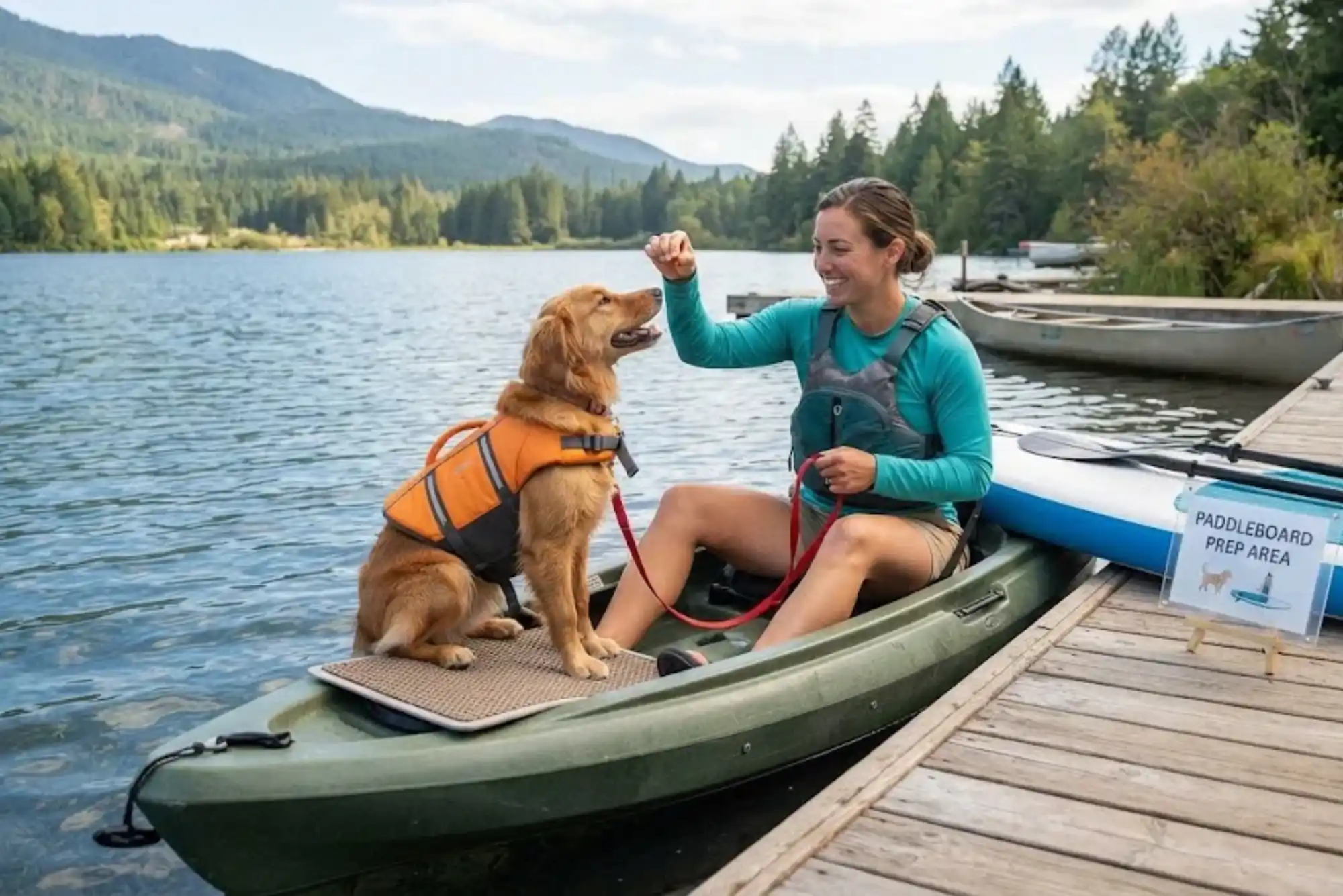
Look for a dog-specific flotation device that fits securely without restricting normal movement or breathing. Many designs include a handle on the back, which can make it easier to assist the dog back into the boat.
Your dog should become comfortable wearing the life jacket before the trip.
Put it on indoors for short periods. Allow your dog to walk around while wearing it. Reward calm behavior and gradually increase the amount of time the jacket is worn.
Do not wait until the launch site to discover that your dog dislikes the feeling of the life jacket.
Practicing With the Life Jacket
Once your dog accepts the life jacket on land, you can introduce water gradually.
Begin in a controlled environment with calm, shallow water where appropriate and where you can safely supervise the dog. The purpose of the first session is not to teach advanced swimming. It is to help your dog understand how the flotation device feels in water.
Stay close to your dog and watch its body language.
Some dogs become more confident immediately, while others need multiple sessions. Avoid forcing a nervous dog into deeper water.
The same rule applies to dogs that are enthusiastic about water. Excitement can cause a dog to jump before you are ready, so calm entry and exit behavior should remain part of the training.
Introducing the Kayak or Canoe in Shallow Water
After your dog is comfortable around the equipment, on land, and in a life jacket, you can begin short water-based practice sessions.
Choose calm conditions and a location where you can control the situation as much as possible.
Begin with very short sessions. Your dog may only need a few minutes inside the boat during the first outing.
Keep your movements smooth and predictable. Avoid unnecessary paddling speed or sudden changes in direction.
Speak calmly to your dog and reward relaxed behavior.
The first goal is not distance. The goal is confidence.
If your dog can remain calm for five minutes, that is a successful training session. Later, you can gradually extend the duration.
Preparing Your Dog for Paddleboarding
Paddleboarding requires slightly different preparation because the board moves beneath the dog and offers less stable footing.
Begin by placing the board on a stable surface. Allow your dog to investigate it and practice standing, sitting, or lying down on the board.
You can reward the dog for choosing to step onto the board voluntarily.
Once the dog is comfortable, practice gentle movement. The board should remain stable while you introduce small shifts.
Teaching your dog a designated position can be helpful. Depending on the board design, your dog may have a specific area where it should remain while you paddle.
Avoid allowing your dog to move constantly from one side to another. Sudden weight shifts can make balancing more difficult.
Your dog should learn that the paddleboard is a place to remain calm rather than a platform for running around.
Teaching a Calm Position
A calm position is particularly useful during long paddling sessions.
Your dog might sit, lie down, or remain in another comfortable position depending on the type of craft and available space.
Practice the position at home first. Ask your dog to settle on a mat or designated area. Gradually introduce distractions.
Once your dog can relax at home, transfer the same skill to the kayak, canoe, or paddleboard.
This creates a familiar behavior that can help your dog settle during the adventure.
The more predictable the routine becomes, the easier it may be for your dog to understand what is expected.
Selecting a Safe Location for the First Trip
Your first real kayaking or canoeing adventure should not be an ambitious expedition.
Choose a calm location with relatively predictable conditions. Avoid strong currents, heavy boat traffic, severe weather, and areas where sudden waves are common.
A quiet lake may be easier for beginners than a busy river or coastal environment.
Consider the launch and landing areas as well. A peaceful body of water can still present challenges if the shoreline is steep, crowded, slippery, or difficult to access.
Before leaving home, research the area and check whether dogs are allowed. Rules can differ between parks, lakes, waterways, and recreational facilities.
If you are traveling a significant distance with your pet, broader travel preparation also matters. Resources such as TripDomino can be useful when organizing pet-related travel considerations alongside your outdoor plans.
Understanding Weather and Water Conditions
Weather can change quickly, particularly around open water.
Strong winds can make paddling difficult and create waves that may be uncomfortable or unsafe for inexperienced dogs. Hot weather also requires special attention because dogs can overheat even when they are surrounded by water.
Do not assume that because your dog is near water it will automatically stay cool.
Provide access to fresh drinking water. Avoid allowing your dog to rely on lake, river, or seawater for hydration.
Watch for signs of discomfort such as excessive panting, unusual weakness, difficulty settling, or changes in normal behavior.
If conditions become unfavorable, ending the trip early is often the safest choice.
Preparing Your Dog for Other Boats and People
Your dog may encounter kayakers, canoeists, paddleboarders, swimmers, fishermen, and other recreational users.
A dog that is calm around people on land may become excited when someone approaches the boat on water.
Practice controlled greetings and calm observation.
Your dog does not need to greet every person or animal encountered during the trip. In many situations, simply remaining beside you is the desired behavior.
You should also consider wildlife. Birds, fish, turtles, and other animals can attract a dog’s attention. Strong recall and “leave it” training can help prevent impulsive reactions.
Keeping your dog calm around distractions protects both your pet and the surrounding environment.
Making the First Adventure Short
One of the biggest mistakes owners can make is planning too much distance for the first trip.
Your dog’s first adventure should be treated as a training experience rather than an endurance challenge.
A short trip allows you to evaluate how your dog behaves on the water. You can observe whether the dog remains relaxed, becomes restless, attempts to jump out, or shows signs of anxiety.
If the experience goes well, you can gradually increase the duration during future outings.
Remember that paddling is physically demanding for humans, too. You need enough energy and attention to control the boat, monitor your dog, and respond to changing conditions.
Creating a Comfortable Space for Your Dog
Your dog should have a secure and comfortable place inside the craft.
Depending on the boat, this might involve a non-slip surface or a designated area where the dog can sit or lie down.
Wet paws can make surfaces slippery, so traction is important.
Avoid overcrowding the boat with unnecessary equipment. Space that appears available at home may feel much smaller once you, your dog, paddles, water supplies, safety equipment, and other necessities are inside.
Keep essential items secure so they do not move around when the boat changes direction.
A simple and organized setup can make the entire experience easier to manage.
Food, Water, and Breaks
Long outdoor activities require planning for your dog’s basic needs.
Bring enough fresh water for the trip. Depending on the length of the adventure, you may also need food or treats, but avoid feeding a large meal immediately before vigorous activity.
Treats can be useful during training, particularly when rewarding calm behavior.
Plan breaks when appropriate. A dog may become tired from maintaining balance, swimming, walking on shore, or simply staying alert in a new environment.
Your dog may also need a chance to relieve itself before launching.
Preparing these details in advance reduces stress once you are on the water.
What to Do if Your Dog Jumps Into the Water
Even with careful training, dogs can occasionally enter the water unexpectedly.
This is one reason the life jacket and basic obedience training are so important.
Remain calm and focus on maintaining control of the boat. Avoid making sudden movements that could destabilize the craft.
If your dog is trained to return to you on command, use the familiar recall cue. Depending on the circumstances, guide the dog toward a safe point where you can assist it.
It is useful to practice water entry and exit in controlled conditions before attempting longer adventures. This allows both you and your dog to become familiar with the process.
The objective is not to eliminate every possibility of an accident but to be prepared for unexpected situations.
Building Confidence Through Repetition
Dogs learn through repetition and consistent experiences.
Your first training session does not need to produce perfect behavior. Instead, think of training as a gradual process.
Today your dog may be comfortable standing beside the kayak. Later, it may comfortably enter the boat. After additional practice, it may relax while the boat moves.
Each successful experience builds familiarity.
Avoid rushing because another dog appears comfortable on the water. Dogs have individual personalities and learning speeds.
Your dog does not need to behave exactly like another person’s dog to have a successful kayaking experience.
Combining Training With Regular Travel Preparation
Water adventures are often part of a larger vacation, road trip, camping trip, or relocation. This means owners should consider more than just the kayak.
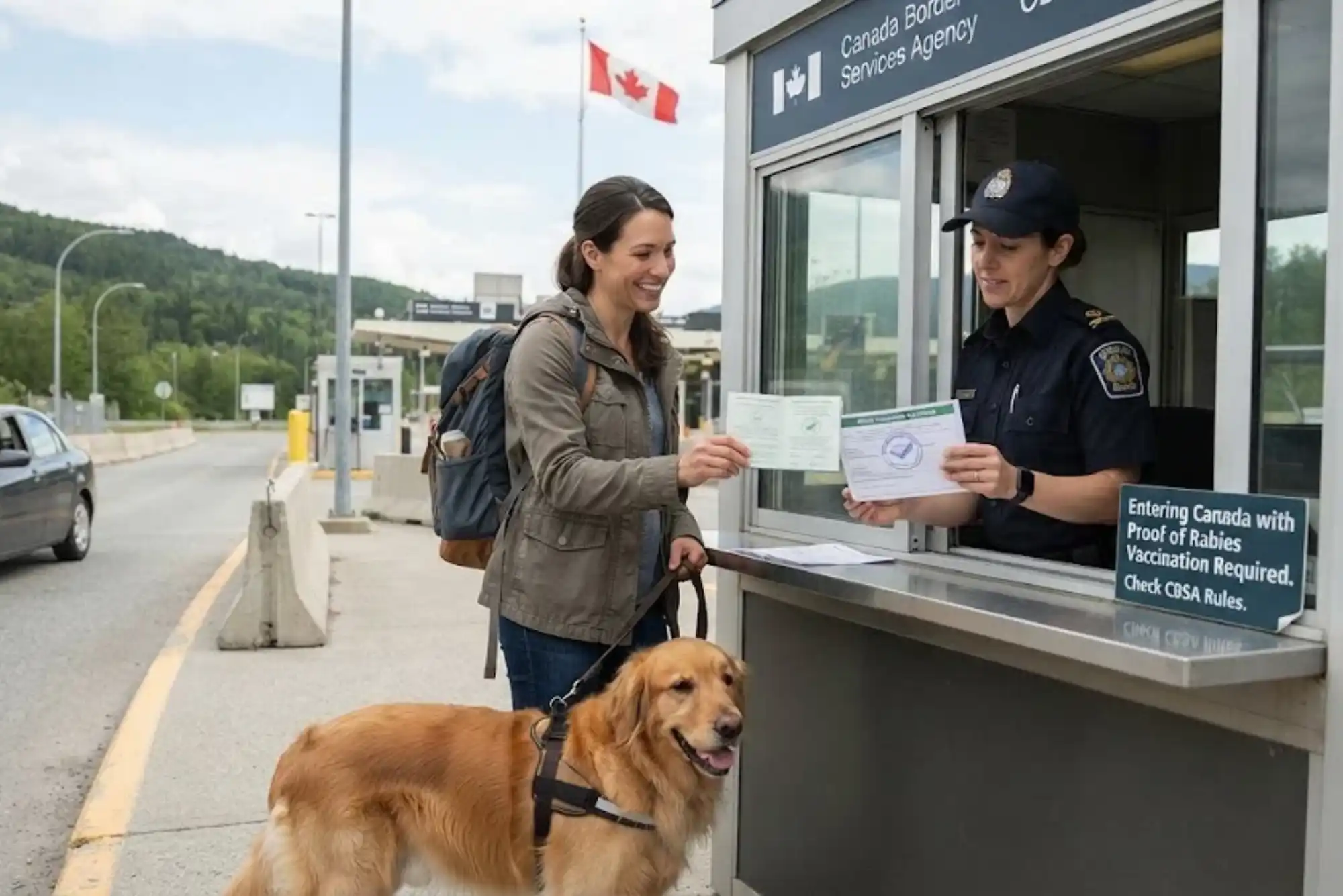
Traveling with a dog can involve transportation, accommodation, food, identification, veterinary documentation, emergency planning, and destination-specific rules.
If your outdoor adventure is connected to moving or traveling with multiple pets, it is helpful to create a broader preparation plan. Moving with cats provides additional context for pet relocation planning and can complement your preparation when your household includes different types of pets.
The same basic principle applies to any pet journey: prepare before departure rather than attempting to solve everything after you arrive.
Knowing When Your Dog Needs a Break
Your dog may not always communicate fatigue in an obvious way.
Pay attention to changes in behavior. A normally energetic dog that becomes unusually quiet, restless, hesitant, or unable to settle may need a break.
Dogs can also become tired from maintaining balance on a moving surface.
Regularly check the dog’s comfort, position, and overall behavior.
If something seems wrong, return to shore and reassess the situation. A successful adventure is not measured by how far you paddle.
Safety and positive experiences should take priority over distance.
Preparing for the Journey Home
The end of the trip deserves preparation too.
Your dog may be wet, tired, muddy, or covered in sand. Bring appropriate towels and supplies for cleaning.
Allow your dog to cool down gradually and provide fresh drinking water.
If you are driving afterward, make sure your dog is secured safely in the vehicle. Never allow a wet or tired dog to roam unsecured in a moving car.
After arriving home, observe your dog for any unusual behavior or signs of discomfort.
A calm recovery period can help ensure that the adventure ends positively.
Making Kayaking a Positive Experience for Your Dog
The best water-training program is one that builds trust.
Your dog should learn that the kayak, canoe, or paddleboard is associated with calm behavior, rewards, safety, and enjoyable time with you.
Avoid punishment if your dog becomes nervous. Fear can become stronger when an animal is forced to remain in an environment it finds threatening.
Instead, make the activity easier and return to a previous step where the dog was comfortable.
Patience can make a significant difference.
Some dogs may become confident after a few sessions, while others need considerably more time.
Final Thoughts on Training Your Dog for Kayaking and Canoe Trips
Training your dog for kayaking, canoe trips, and paddleboarding is a gradual process that begins long before the boat reaches the water. Your dog needs to become familiar with the equipment, understand basic obedience commands, accept a properly fitted life jacket, and learn how to remain calm while the boat moves.
The safest approach is to start slowly. Introduce the equipment at home, practice entering and exiting, work on obedience, and gradually introduce movement. Once your dog is comfortable, begin with short trips in calm conditions and increase the duration only when your dog consistently demonstrates confidence.
Remember that swimming ability alone does not prepare a dog for kayaking or paddleboarding. A dog also needs to understand how to behave on a moving surface and how to respond to your commands.
With patient training, appropriate safety equipment, careful planning, and realistic expectations, kayaking or canoeing can become an enjoyable outdoor activity for both you and your dog. The goal is not to complete the longest trip or travel the greatest distance. The goal is to create safe, positive experiences that allow your dog to enjoy the adventure alongside you.