Underground City Shopping Explained
Underground City shopping offers a unique experience that combines convenience, variety, and comfort. Often found in major metropolitan areas, these subterranean retail spaces connect transit hubs, office buildings, and entertainment centers. This guide will explain everything you need to know about navigating and enjoying Underground City shopping.
What Is Underground City Shopping?
Underground City shopping refers to retail spaces located beneath the surface of a city. Unlike traditional malls, these networks often stretch for kilometers and link multiple buildings. They are especially popular in cities with harsh weather, providing shoppers with climate-controlled environments year-round.
Why People Prefer Underground Shopping
Shoppers appreciate the convenience and accessibility of underground malls. Rain, snow, or extreme heat does not disrupt the shopping experience. Additionally, the concentration of shops, restaurants, and services makes it a one-stop destination.
How It Differs From Traditional Malls
Unlike typical shopping centers, Underground City shopping blends retail with transit. You can move between stores, offices, and public transport without going outside. This integration encourages longer visits and greater foot traffic for retailers.
Key Features of Underground City Shopping
Underground malls offer more than just stores. Their unique design and amenities make them a distinct shopping destination.
Extensive Retail Options
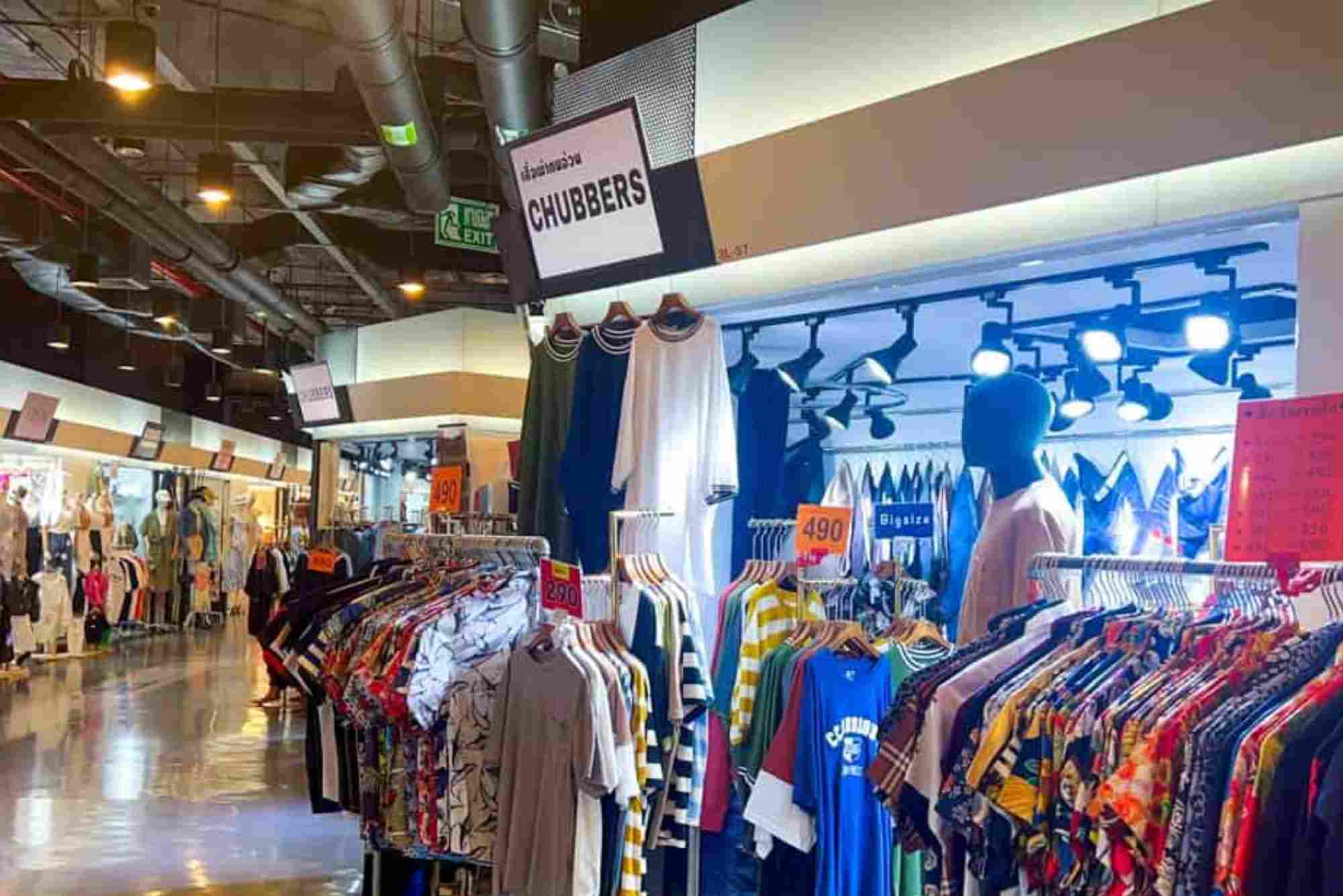
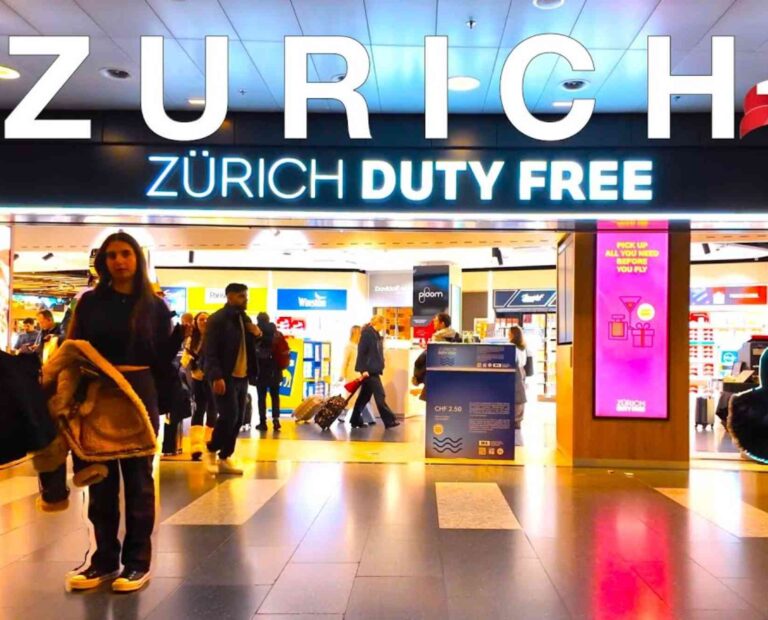
From high-end fashion brands to everyday essentials, underground malls often host a diverse mix of shops. You can find clothing, electronics, home goods, and specialty stores all in one connected area.
Dining and Entertainment
Underground City shopping is not only about buying goods. Food courts, cafes, and fine dining options cater to different tastes. Some complexes even include cinemas, art exhibits, and event spaces.
Connectivity and Convenience
A hallmark of underground shopping areas is their seamless connectivity. They often link to subway stations, office towers, hotels, and other commercial buildings. This integration allows for efficient movement and eliminates the need for outdoor walking in bad weather.
Seasonal and Promotional Events
Many underground malls host seasonal sales, festivals, and promotional events. Shoppers can enjoy themed decorations, live performances, and exclusive product launches throughout the year.
Tips for Navigating Underground City Shopping
Navigating an underground network can feel overwhelming due to its size and complexity. Here are some practical tips.
Plan Your Route
Study a map of the underground network before visiting. Knowing the location of key stores and exits saves time and reduces confusion.
Use Signage and Directories
Most underground malls have clear signage and digital directories. Look for color-coded paths or floor guides to move efficiently.
Dress Comfortably
Even though the environment is climate-controlled, walking long distances requires comfortable shoes. Consider layers if you plan to transition between underground and above-ground locations.
Visit During Off-Peak Hours
Early mornings or weekdays are often less crowded. Avoid weekends if you prefer a quieter shopping experience.
Take Advantage of Loyalty Programs
Many shops in underground malls participate in reward programs. Collect points, receive discounts, and enjoy special offers when you shop strategically.
Popular Underground City Shopping Destinations
Several cities around the world are known for their extensive underground networks.
Montreal, Canada
Montreal’s Underground City stretches over 33 kilometers and connects office buildings, hotels, and metro stations. It features hundreds of shops, restaurants, and services, making it one of the largest underground complexes worldwide.
Toronto, Canada
Toronto’s PATH system spans over 30 kilometers of underground walkways linking office towers, shopping centers, and entertainment venues. It is ideal for commuting while accessing numerous retail options.
Tokyo, Japan
Tokyo’s underground shopping areas, like Shinjuku and Ginza subways, integrate with transit hubs and offer a wide selection of fashion, electronics, and gourmet foods.
Seoul, South Korea
Seoul features extensive underground shopping streets connected to subway stations. These areas are famous for affordable fashion, beauty products, and food markets.
Benefits of Underground City Shopping
The popularity of underground malls is driven by several distinct advantages.
Weather Protection
Shoppers enjoy a comfortable climate, free from rain, snow, or extreme heat.
Time Efficiency
With connected networks, people can shop, eat, and commute without leaving the underground system.
Variety and Accessibility
Underground cities often host a mix of international brands, local boutiques, and essential services in one place.
Safety and Security
Many underground malls provide enhanced security measures, including surveillance, emergency protocols, and staff assistance.
Underground City shopping combines convenience, variety, and comfort in a unique urban experience. Whether you are looking for high-end brands, local boutiques, or dining options, these subterranean networks make shopping effortless and enjoyable. Plan your visit, explore the connected shops, and take advantage of promotions to make the most of your trip.
Explore the world of Underground City shopping today and experience a new way to shop with ease and style.
FAQ About Underground City Shopping
What is Underground City shopping?
Underground City shopping is a network of retail spaces located beneath city streets, often linked to transit stations, offices, and entertainment areas.
Why is it called an Underground City?
It is called an Underground City because these shopping complexes are extensive, often spanning multiple blocks, connecting various buildings, and offering more than just stores.
Are underground malls safe?
Yes, most underground malls are well-lit, monitored by security cameras, and staffed by personnel to ensure shopper safety.
How do I navigate an underground shopping area?
Use maps, signage, or digital directories. Planning your route before visiting can make navigation easier.
Can I find food and entertainment in underground malls?
Absolutely. Many underground complexes include restaurants, cafes, food courts, cinemas, and event spaces for a complete experience.
Do underground malls host sales and promotions?
Yes, seasonal events, discounts, and special promotions are common in underground malls to attract shoppers throughout the year.