Introduction
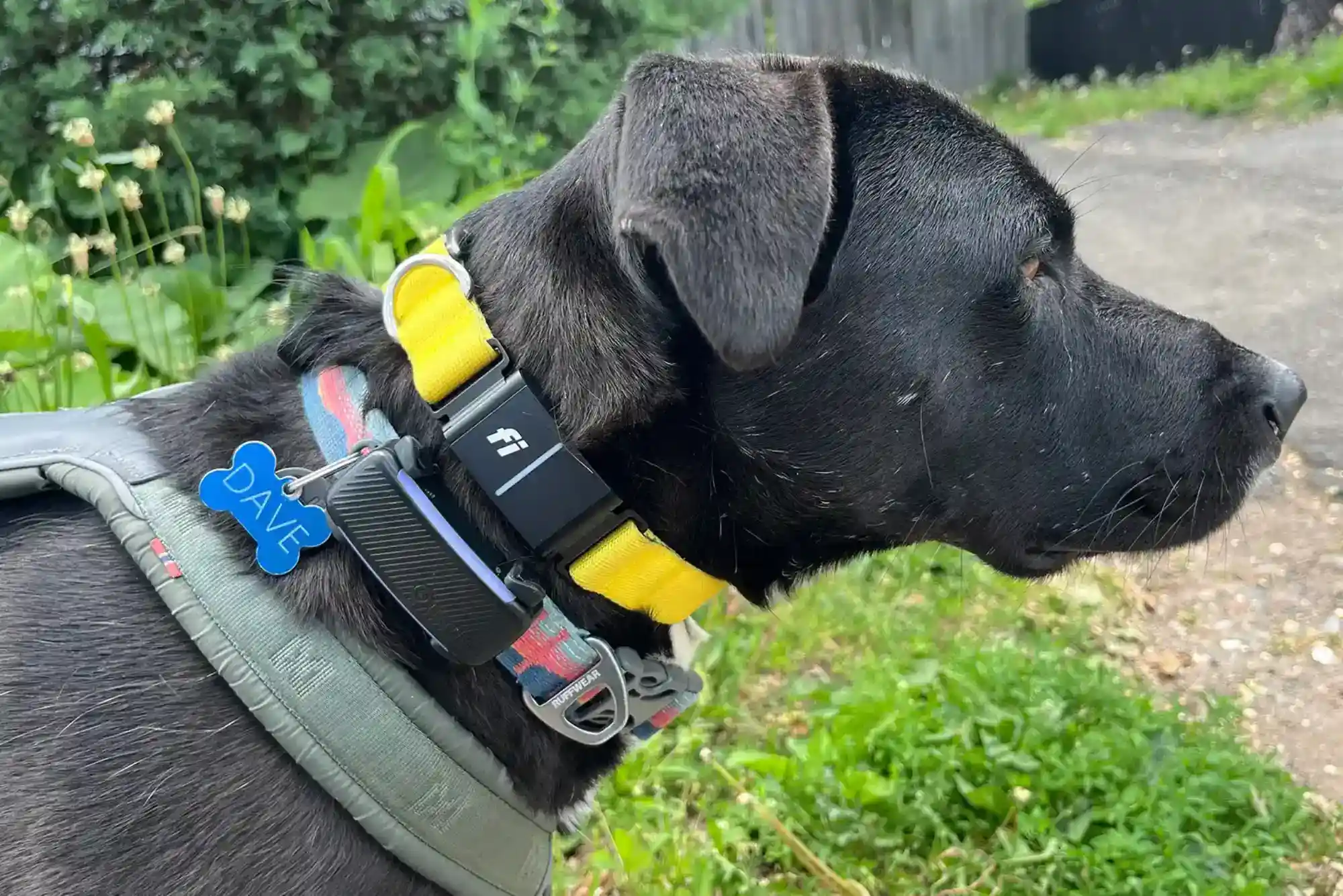
Summer travel with your dog can be exciting, but high temperatures can quickly turn a fun adventure into a safety concern. Whether you are taking a road trip, visiting a beach, hiking a trail, or exploring a new city, your dog needs more than water and shade to stay comfortable. The right cooling dog bandanas and cooling gear for travel can provide useful support when temperatures rise.
Dogs regulate body heat differently from humans. Panting plays a major role in cooling, while sweating is limited primarily to their paw pads. This means dogs can become overheated during exercise, especially in hot, humid, or poorly ventilated environments.
Cooling accessories should never replace shade, hydration, rest, and sensible activity levels. Instead, they should be viewed as part of a broader summer travel strategy. From cooling bandanas and vests to portable mats and travel bowls, choosing practical gear can make warm-weather journeys safer and more comfortable.
Why Cooling Dog Bandanas and Cooling Gear Matter During Travel
Travel often exposes dogs to heat in ways that are easy to underestimate. A car can become dangerously hot within minutes, even when the weather outside does not feel extreme. The American Veterinary Medical Association specifically advises never leaving a pet unattended in a vehicle.
A cooling bandana can help provide evaporative cooling around the neck, while other cooling products can support comfort during breaks or outdoor activities. However, no cooling accessory can compensate for a hot, enclosed vehicle or prolonged exposure to direct sunlight.
The best approach is to combine cooling dog bandanas and cooling gear for travel with frequent water breaks, ventilation, shade, and shorter outdoor sessions.


Best Cooling Dog Bandanas for Summer Travel
Cooling bandanas are among the simplest pieces of gear to pack. They are lightweight, easy to put on, and generally take up very little space in a travel bag.
Evaporative Cooling Bandanas
Evaporative bandanas are designed to be soaked in cool water and wrung out before being placed around your dog’s neck. As moisture evaporates, the fabric can create a cooling sensation.
They are particularly useful during walks, sightseeing stops, and outdoor breaks. Their effectiveness depends on environmental conditions, though. In humid weather, evaporation may happen more slowly.
Look for a bandana made from breathable material with a secure but comfortable fastening system. It should not be tight around your dog’s neck, especially because panting is essential for heat regulation.
Reusable Ice or Gel Cooling Bandanas
Some bandanas use cooling inserts or specialized materials designed to remain cool for longer periods. These can be convenient for short outdoor sessions when access to water is limited.
The important consideration is comfort. Extremely cold materials should not be pressed directly against a dog’s skin for extended periods. Cooling should be gentle rather than extreme.
How to Choose the Right Cooling Bandana
The correct size is more important than having the most complicated design. Measure your dog’s neck according to the manufacturer’s instructions and make sure the finished fit allows comfortable breathing and movement.
For travel, prioritize a bandana that is washable, quick-drying, lightweight, and easy to store. A product that becomes bulky when wet may be less convenient during a long journey.
Cooling Vests for Dogs on Longer Outdoor Trips
A cooling vest covers more of the dog’s body than a bandana and may be useful during extended outdoor activities.
Many cooling vests work through evaporation. Others use specialized cooling materials. The goal is to help your dog remain comfortable without restricting movement.
A good travel vest should fit securely without being restrictive. It should also allow your dog to walk, sit, lie down, and pant normally.
Cooling vests can be especially useful for dogs that spend considerable time outdoors. However, they should not encourage owners to extend an activity simply because the dog is wearing cooling gear. Your dog’s behavior remains the most important indicator of whether it is time to stop and rest.
Portable Cooling Mats for Road Trips
A cooling mat can turn a hotel room, campsite, or vehicle rest area into a more comfortable resting space.
Many cooling mats use pressure-activated gel technology, while others rely on refrigeration or removable frozen inserts. Different designs offer different cooling durations, so consider how and where you will use the mat before purchasing one.
For road travel, portability matters. A mat that folds easily and can be wiped clean is generally more practical than a heavy model.
A cooling mat should also be considered a comfort tool rather than emergency heatstroke treatment. Your dog still needs fresh water, ventilation, shade, and regular breaks.
Portable Water Gear Is Essential
Even the best cooling dog bandanas and cooling gear for travel cannot replace hydration.
Bring enough fresh water for the entire journey, along with a collapsible bowl or portable drinking container. During road trips, plan regular stops where your dog can drink and rest.
The American Kennel Club recommends carrying extra water and a collapsible travel bowl when taking dogs on summer road trips.
Some dogs drink less when traveling because they are nervous or distracted. Offering water regularly can help prevent dehydration, particularly after walking or playing.
Avoid waiting until your dog appears extremely thirsty before offering water.
Cooling Towels and Reusable Cloths
Cooling towels are another convenient option for summer travel. They can be soaked, wrung out, and placed over appropriate areas of the dog’s body for temporary relief.
They are especially useful because they are lightweight and easy to carry. You can keep one in your travel bag and another in a cooler.
Avoid using extremely cold materials directly on your dog’s body. Veterinary guidance generally favors controlled cooling rather than extreme cold exposure.
A damp towel can also provide a comfortable resting surface during a shaded break.
Portable Fans and Vehicle Cooling
A portable battery-powered fan can be helpful inside a vehicle, especially where airflow is limited.
The AKC recommends considering a battery-operated fan when a dog travels in an area of the vehicle where air conditioning may not circulate effectively. Window shades can also help reduce direct sunlight.
However, fans are supplemental. They should never be treated as a substitute for functioning vehicle air conditioning or a safe travel environment.
Most importantly, never leave your dog alone in a parked vehicle. Cracking the windows does not make an unattended hot car safe.
Cooling Gear for Dogs at the Beach
Beach trips create several heat-related challenges. Sand can become hot, shade may be limited, and dogs may become excited while running or swimming.
A cooling bandana, portable water bowl, cooling mat, and shade structure can make beach outings more comfortable.
Provide frequent breaks from activity. Encourage your dog to rest in shade rather than allowing nonstop running.
If your dog swims, remember that swimming itself does not eliminate the risk of overheating. Dogs can still become exhausted or dehydrated during prolonged activity.
Cooling Gear for Hiking and Camping
Hiking with a dog requires more planning because shade and water may not always be available.
A lightweight cooling bandana can be convenient because it takes up little room in a hiking pack. A collapsible bowl and portable water supply are equally important.
For longer trips, a cooling vest or lightweight cooling towel may provide additional comfort during rest stops.
Plan your route carefully and avoid the hottest part of the day whenever possible. Hot pavement and exposed ground can also burn paw pads. The AKC recommends paying attention to surface temperature and choosing cooler walking surfaces when conditions are hot.
How to Keep Your Dog Cool During a Road Trip
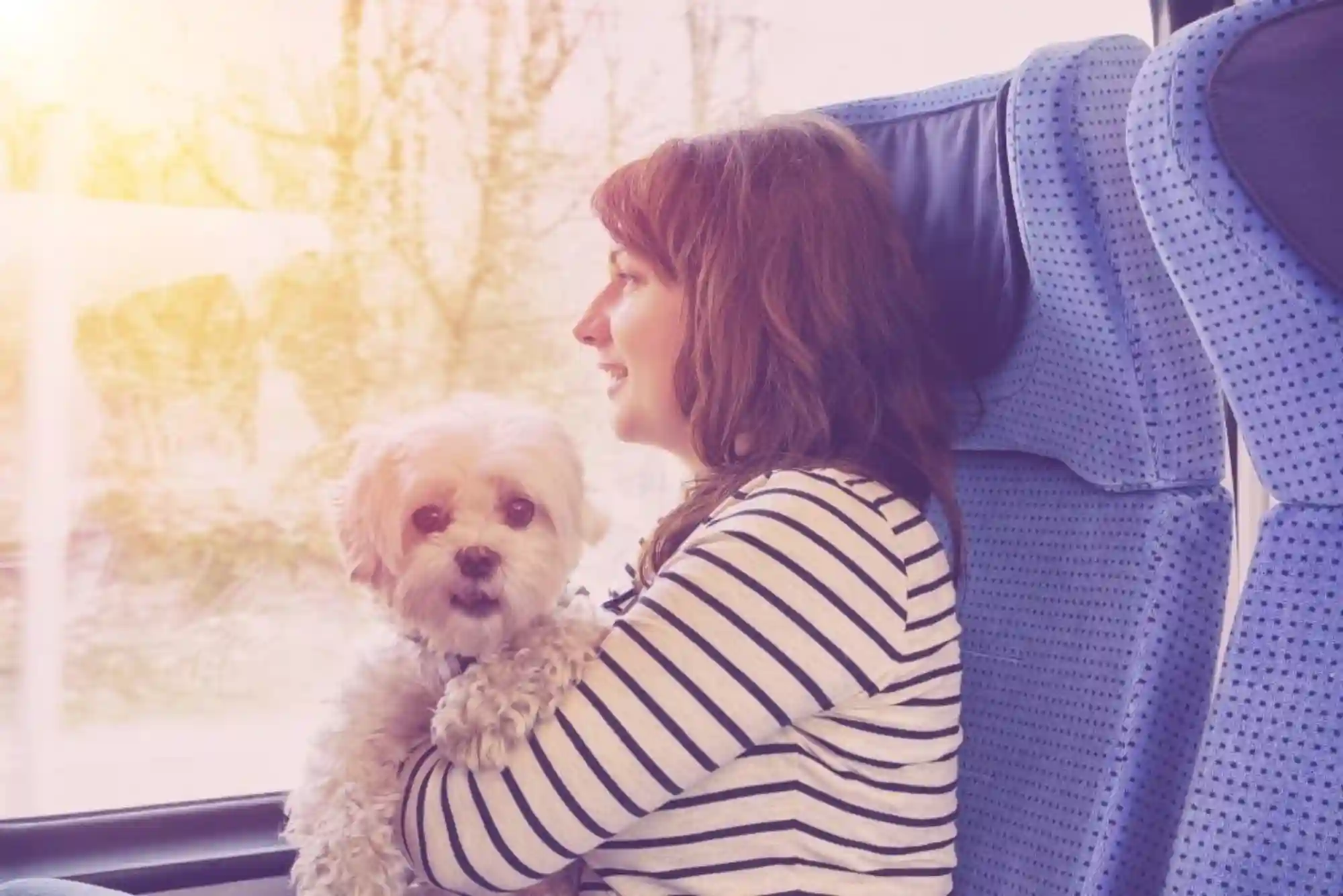
A successful summer road trip begins before you leave home. Allow your dog to become comfortable with the vehicle and travel restraint before taking a long journey.
Keep the vehicle cool and well ventilated. Pack water, a collapsible bowl, cooling towels, a bandana, and any medication or normal food your dog needs.
Schedule regular breaks rather than driving for hours without stopping. During breaks, allow your dog to drink and relax in a shaded area.
Avoid letting your dog walk on hot asphalt for extended periods. Even if the air temperature seems manageable, pavement exposed to direct sunlight can become hot enough to injure paw pads.
Which Dogs Need Extra Protection From Summer Heat?
All dogs can overheat, but some may be more vulnerable than others.
Short-nosed breeds such as Pugs, Bulldogs, and Boxers deserve particular attention because their anatomy can make effective panting more difficult. The AKC recommends limiting exertion for these dogs during hot conditions.
Senior dogs, puppies, dogs with certain medical conditions, heavily coated dogs, and dogs that are overweight may also need more careful heat management.
Your veterinarian can help you determine which cooling strategies are appropriate for your individual dog.
Signs Your Dog May Be Overheating
Knowing the warning signs is more important than owning any cooling product.
Heavy or unusual panting, excessive drooling, restlessness, weakness, unsteadiness, abnormal gum or tongue color, and collapse can indicate serious heat stress. The AVMA recommends seeking emergency veterinary care when these symptoms occur.
If your dog appears overheated, move them to a cooler environment and contact a veterinarian immediately. Controlled cooling with cool water and airflow may be appropriate while veterinary assistance is arranged, depending on the situation.
Do not assume that a cooling bandana or vest can treat heatstroke. Heatstroke is a medical emergency.
How to Build a Summer Dog Travel Kit
A practical summer travel kit does not need to be complicated. Start with fresh water and a portable bowl, then add cooling equipment according to your dog’s needs.
A cooling bandana is useful for quick outings. A cooling towel can provide flexible relief during breaks. A cooling mat works well for resting at hotels, campsites, or other destinations. A cooling vest may be worthwhile for longer outdoor activities.
You should also carry your dog’s normal identification, leash and harness, food, medications, waste bags, and basic first-aid supplies.
The goal is not to pack every cooling product available. Instead, choose gear that suits your dog’s size, coat, activity level, destination, and travel method.
Common Mistakes to Avoid With Cooling Dog Gear
One of the biggest mistakes is treating cooling gear as permission to stay outside longer. A cooling accessory can improve comfort, but it does not eliminate heat risk.
Another mistake is choosing an overly tight bandana or vest. Proper fit matters because your dog needs unrestricted breathing and movement.
Some owners also forget that water and shade are more fundamental than accessories. Cooling products work best as part of a complete heat-management strategy.
Finally, never use a parked vehicle as a temporary waiting area for your dog. Cars can heat rapidly and become dangerous even when the windows are partially open.
Choose Cooling Gear That Fits Your Dog’s Travel Style
The best cooling dog bandanas and cooling gear for travel are not necessarily the most expensive or technologically advanced. The right choice depends on how your dog travels, how much time they spend outdoors, their coat and body type, and the climate you are visiting.
For many dogs, a lightweight cooling bandana, portable water bowl, cooling towel, and comfortable resting mat provide a practical starting point. Dogs that spend longer periods outdoors may benefit from a cooling vest or additional cooling equipment.
Most importantly, remember that cooling gear is only one part of summer safety. Fresh water, shade, ventilation, sensible activity, frequent breaks, and close observation should always come first.
FAQs
Do cooling bandanas really work for dogs?
Cooling bandanas can help dogs feel more comfortable in warm weather, particularly when they use evaporative cooling. Their effectiveness depends on the material, environmental humidity, fit, and duration of use. They should supplement, rather than replace, shade, water, rest, and appropriate activity.
How do I keep my dog cool while traveling?
Keep the vehicle comfortably cool, provide regular access to fresh water, use appropriate cooling gear, schedule frequent breaks, and avoid the hottest parts of the day when possible. Never leave your dog unattended in a parked vehicle.
Are cooling vests safe for dogs?
Cooling vests can be useful when properly fitted and used according to their instructions. They should not restrict breathing or movement, and owners should continue monitoring their dogs for signs of overheating.
What is the best way to cool down a dog in hot weather?
Moving the dog into a cool, shaded or air-conditioned environment is one of the most important steps. Fresh water, airflow, and controlled cooling can also help. If heatstroke is suspected, contact a veterinarian immediately rather than relying solely on a cooling product.
Can dogs wear cooling bandanas all day?
A cooling bandana may be comfortable for some dogs, but it should not be viewed as an all-day solution to heat exposure. Check the fit and condition regularly and give your dog opportunities to rest in a genuinely cool environment.
What cooling gear should I take on a dog-friendly road trip?
A practical setup includes a cooling bandana or towel, portable water and a collapsible bowl, a cooling mat for resting, and a portable fan if appropriate for your vehicle. The exact combination should depend on your dog’s needs and the destination.
Are cooling mats good for dogs in summer?
Cooling mats can provide a comfortable resting surface and are useful in homes, hotels, campsites, and other travel locations. However, they should be combined with hydration, shade, and appropriate temperature management.